
SCOTUS Rules Court Can Restrict Attorney-Client Discussions During Overnight Recess
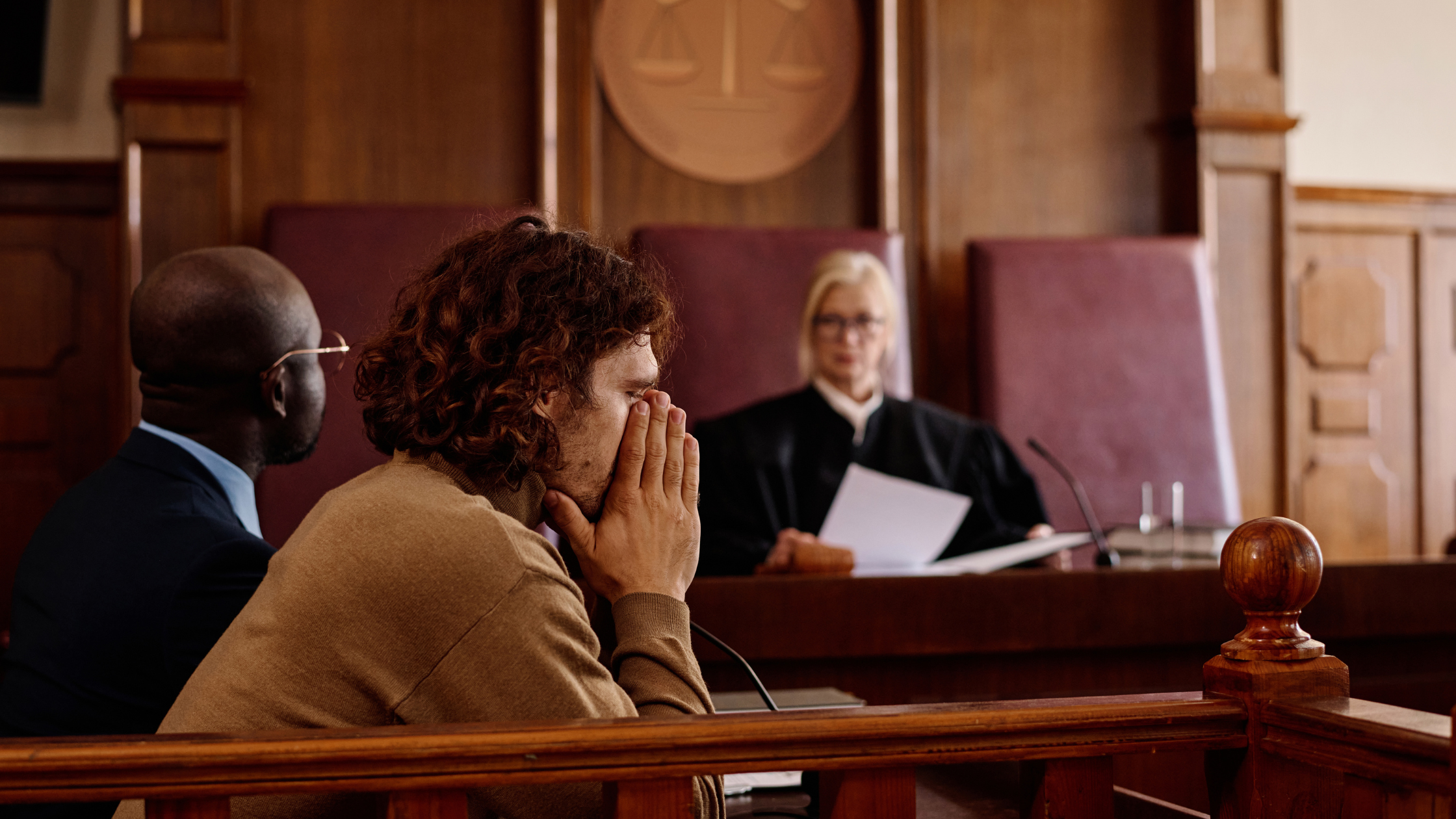
In Villarreal v. Texas,607 U.S. ____ (2026), the U.S. Supreme Court unanimously held that a qualified conferral order that prohibits only discussion of the defendant’s testimony for its own sake during a midtestimony overnight recess permissibly balances the defendant’s Sixth Amendment right to counsel against the burden of offering unaltered trial testimony and does not violate the Constitution.
Facts of the Case
David Villarreal’s murder trial culminated with his own testimony. That testimony was interrupted by a 24-hour overnight recess, during which the trial judge instructed Villarreal’s attorneys not to “manage his testimony.” The judge clarified, however, that Villarreal was not prohibited from talking to his attorneys and recognized Villarreal’s constitutional right to confer about certain topics, such as possible sentencing issues.
Villarreal resumed his testimony 24 hours later and was subsequently convicted of murder. On appeal, the Texas Court of Criminal Appeals concluded that the order was a permissible exercise of the trial court’s discretion.
Supreme Court’s Decision
The Supreme Court affirmed, with Justice Ketanji Brown Jackson writing on behalf of the unanimous Court.
In her opinion, Justice Jackson summarized the Court’s existing precedent regarding a defendant’s Sixth Amendment right to counsel while testifying. As she noted, although the Sixth Amendment guarantees a criminal defendant’s right to consult with counsel, when a defendant takes the witness stand, he “[a]ssum[es] the position of a witness,” with its attendant “criticisms and burdens,”which includes the inability to receive advice from counsel aimed at “influenc[ing] the testimony in light of the testimony already given.”
In Geders v. United States, 425 U.S. 80 (1976), the Court held that a judge may not entirely prevent a testifying defendant from conferring with his lawyer during an overnight recess, reasoning that a defendant differs from a normal witness because he has matters “other than his own testimony” to discuss, such as “tactical decisions,” “strategies,” and the “significance of the day’s events.”
Meanwhile,in Perry v. Leeke, 488 U.S. 272 (1989), the Court held that a judge may prevent a testifying defendant from conferring with his lawyer during a brief daytime recess because “there is a virtual certainty that any conversation” during such a recess “would relate to the ongoing testimony,” and a defendant does not have a protected Sixth Amendment right to discuss ongoing testimony with his lawyer. As Justice Jackson explained:
A defense attorney may rehearse her client’s testimony before her client takes the witness stand. And a defense attorney may debrief her client’s testimony after her client leaves the witness stand for good. Such discussion of testimony qua testimony is entirely proper and the consultation that enables it is constitutionally protected before the defendant’s testimony begins and after it concludes. But for the duration of the defendant’s time on the stand, consultation about the testimony itself—rather than incidental discussion of testimony in service of protected topics sheds its constitutional protection.
The Court went on to find that preventing a defendant from conferring with counsel during an overnight recess only about the defendant’s testimony does not violate the Sixth Amendment. In so ruling, the Court sought to strike a balance between the dual roles that a criminal defendant occupies when testifying in his own defense.
According to Justice Jackson,when a criminal defendant takes the stand, consultation with their attorney can include “incidental discussion of testimony in service of protected topics,” but cannot include a “discussion of testimony for its own sake.”
According to the Justice Jackson, this means that a “court cannot prohibit a lawyer from asking his client about a new potential witness or a piece of evidence mentioned for the first time during the defendant’s testimony, or a defendant from asking his lawyer about compliance with the court’s evidentiary rulings,” or “whether and why he should consider a guilty plea—even if the ‘why’ includes the impact of his ongoing testimony on the trial’s prospects.”
Applying the new rule to the facts of the case, the Court found that the conferral order did not violate Villarreal’s Sixth Amendment rights. As Justice Jackson explained:
The conferral order here prevented only one thing during the overnight recess that bifurcated Villarreal’s testimony: Villarreal’s lawyers could not manage his ongoing testimony in light of the testimony he had already given. Such management amounts to discussion of testimony qua testimony and therefore falls on the unprotected side of the line we discern from our precedents. Accordingly, the conferral order did not ban or impermissibly chill constitutionally protected consultation.
In reaching its decision, the Court acknowledged that the order was “not a model of clarity.” However, it ultimately concluded that the order “did enough to tailor the ‘quality’ of forbidden consultation” to only “managing” their client’s “ongoing testimony,” which “permissibly balanced the truth-seeking function of the trial against Villarreal’s right to discuss protected topics with his lawyers.”
Previous Articles
Supreme Court Clarifies Constitutionality of Tax Foreclosure Sales
by DONALD SCARINCI on September 28, 2026
In Pung v. Isabella County, 609 U.S. ____ (2026), the U.S. Supreme Court held that the proper basel...
Supreme Court Closes Door on Judicially Created Claims Under Alien Tort Statute
by DONALD SCARINCI on September 21, 2026
In Cisco Systems, Inc. v. Doe, 609 U.S. ___ (2026), the U.S. Supreme Court ruled that federal cour...
US Supreme Court Upholds “Metering” Policy for Asylum Seekers
by DONALD SCARINCI on September 15, 2026
In Mullin v. Al Otro Lado, 609 U.S. ___ (2026), the U.S. Supreme Court held that an alien standing ...