Menu


Hot-Topics
March 6, 2026 | Supreme Court Holds Candidate Can Challenge Election Law Governing Vote Counting
Tag: bills and notes
Swift v Tyson Authorizes Federal Courts to Create Federal “Common” Law
In Swift v Tyson, 41 U.S. 1 (1842), the U.S. Supreme Court held that the federal courts were authorized to create their own body of common law when hearing cases based on diversity jurisdiction and were not bound by the decisions of the state courts ...
Cherokee Nation v Georgia: The Rights of Indian “Nations”
In Cherokee Nation v Georgia, 30 U.S. (5 Peters) 1 (1831), members of the Cherokee Nation sought to enjoin the state of Georgia from seizing their land. However, the U.S. Supreme Court held that it lacked the authority to enforce the rights of Native...

Bank of the United States v Deveaux: The Citizenship of Corporations
Bank of the United States v Deveaux: The Citizenship of Corporations In Bank of the United States v. Deveaux, 5 Cranch 61 (1809), the U.S. Supreme Court first considered the citizenship of corporations for the purposes of diversity jurisdiction. The...
Previous Articles
Supreme Court Hold Ex Post Facto Clause Applies to Criminal Restitution Statute
by DONALD SCARINCI on March 6, 2026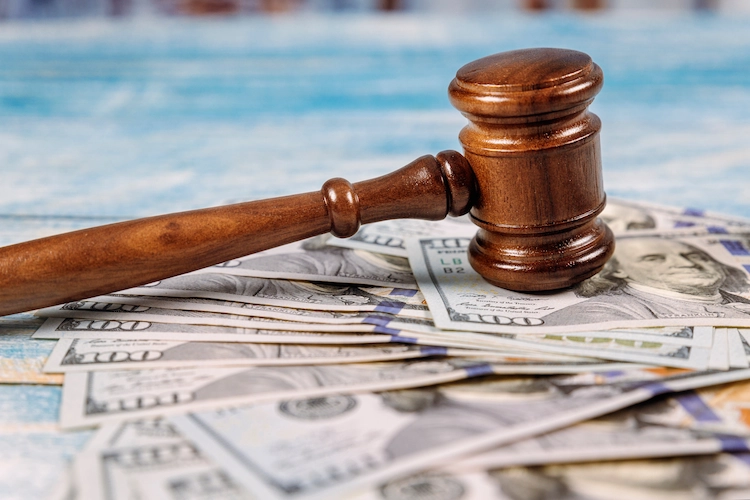
In Ellingburg v. United States, 607 U.S. ____ (2026), the U.S. Supreme Court unanimously heldthat t...
SCOTUS Reaffirms Fourth Amendment Standard for Police Responding to Household Emergencies
by DONALD SCARINCI on February 19, 2026
In Case v. Montana, 607 U.S. ____ (2026), the U.S. Supreme Court confirmed thatthe Fourth Amendment...
SCOTUS Decision in Bowe v. United States Is First of the 2026 Term
by DONALD SCARINCI on February 5, 2026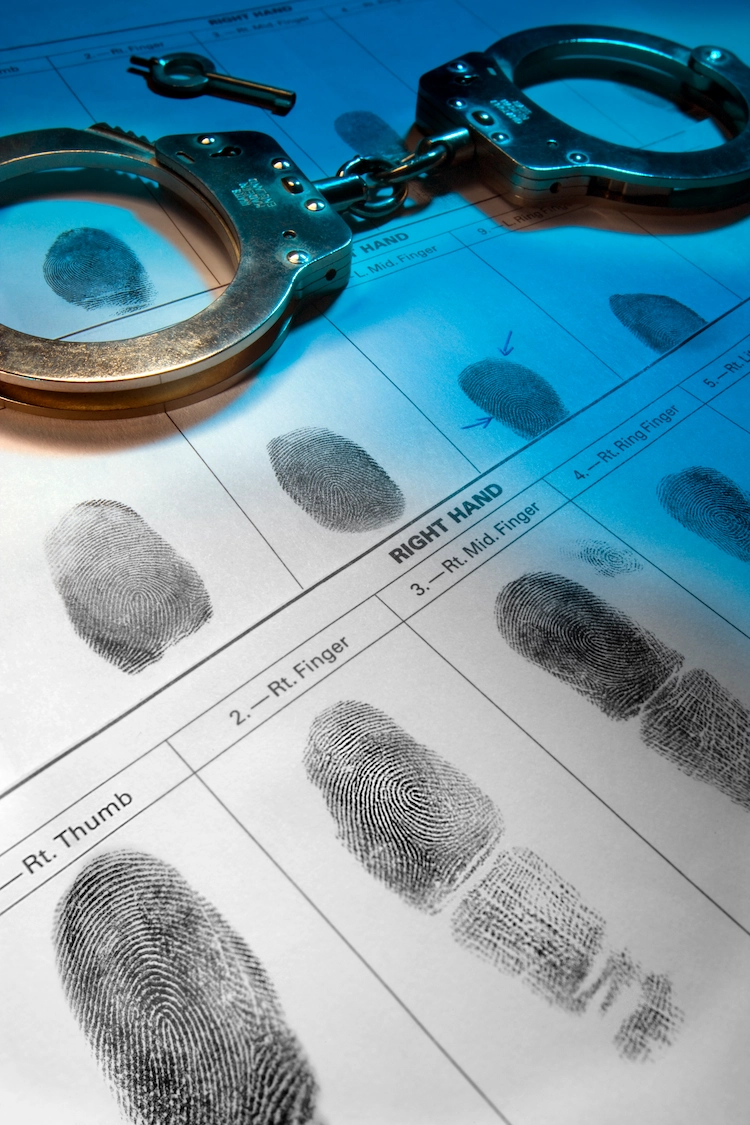
In Bowe v. United States, 607 U.S. ___ (2026), the U.S. Supreme Court held that Title 28 U.S.C. § ...