Menu


Hot-Topics
September 21, 2026 | Supreme Court Closes Door on Judicially Created Claims Under Alien Tort Statute
Tag: bills and notes
Swift v Tyson Authorizes Federal Courts to Create Federal “Common” Law
In Swift v Tyson, 41 U.S. 1 (1842), the U.S. Supreme Court held that the federal courts were authorized to create their own body of common law when hearing cases based on diversity jurisdiction and were not bound by the decisions of the state courts ...
Cherokee Nation v Georgia: The Rights of Indian “Nations”
In Cherokee Nation v Georgia, 30 U.S. (5 Peters) 1 (1831), members of the Cherokee Nation sought to enjoin the state of Georgia from seizing their land. However, the U.S. Supreme Court held that it lacked the authority to enforce the rights of Native...
Bank of the United States v Deveaux: The Citizenship of Corporations
Bank of the United States v Deveaux: The Citizenship of Corporations In Bank of the United States v. Deveaux, 5 Cranch 61 (1809), the U.S. Supreme Court first considered the citizenship of corporations for the purposes of diversity jurisdiction. The...
Previous Articles
US Supreme Court Upholds “Metering” Policy for Asylum Seekers
by DONALD SCARINCI on September 15, 2026
In Mullin v. Al Otro Lado, 609 U.S. ___ (2026), the U.S. Supreme Court held that an alien standing ...
Supreme Court Rejects Claims Over Pesticide Cancer Warning
by DONALD SCARINCI on September 9, 2026
In Monsanto Co. v. Durnell, 609 U.S. ___ (2026), the U.S. Supreme Court held that the Federal Insec...
SCOTUS Upholds Mississippi Mail-In Ballot Law
by DONALD SCARINCI on August 31, 2026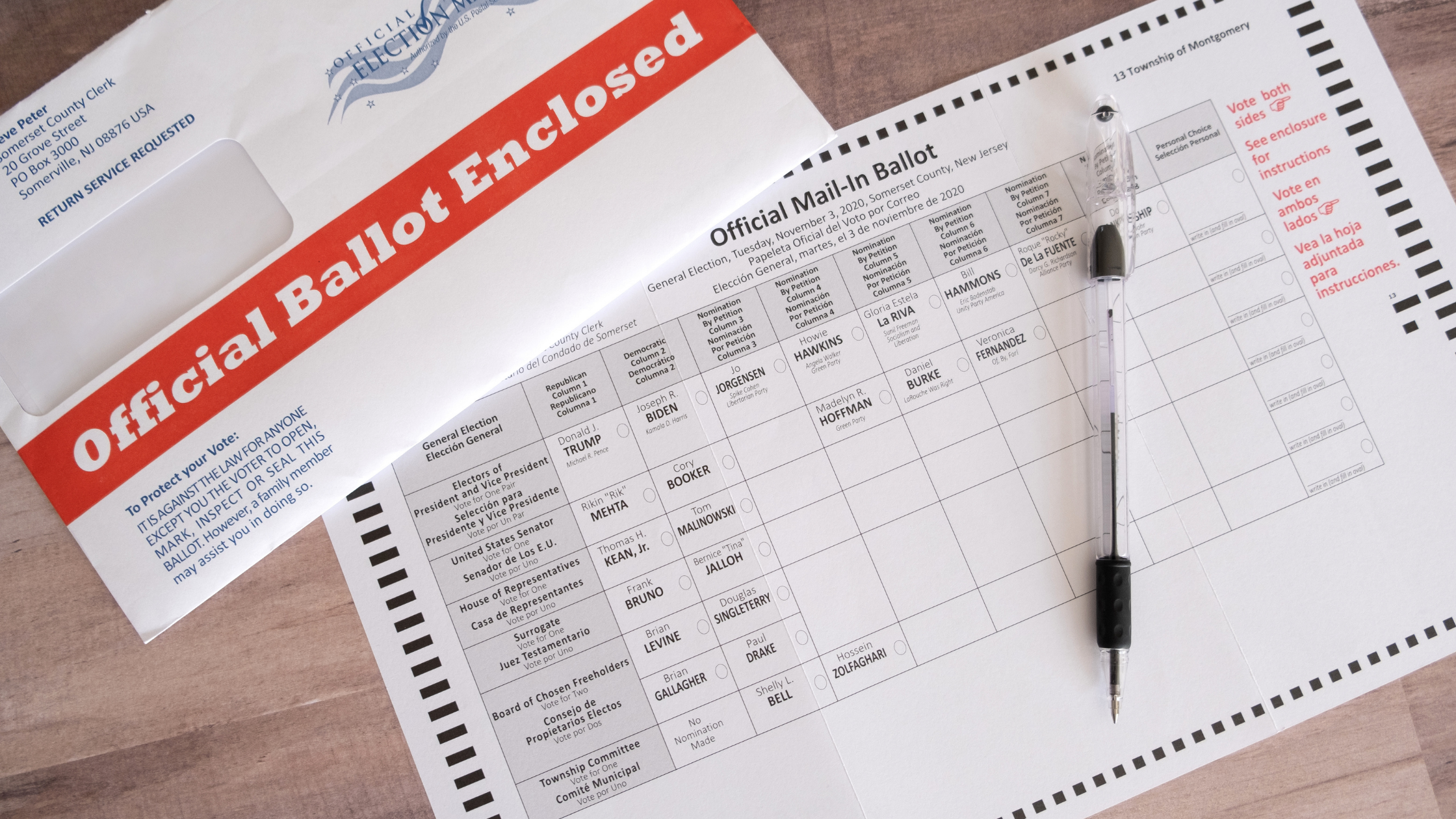
In Watson v. Republican National Committee, 609 U.S. ___ (2026), the U.S. Supreme Court held that ...