

Supreme Court Broadens Helms-Burton Liability
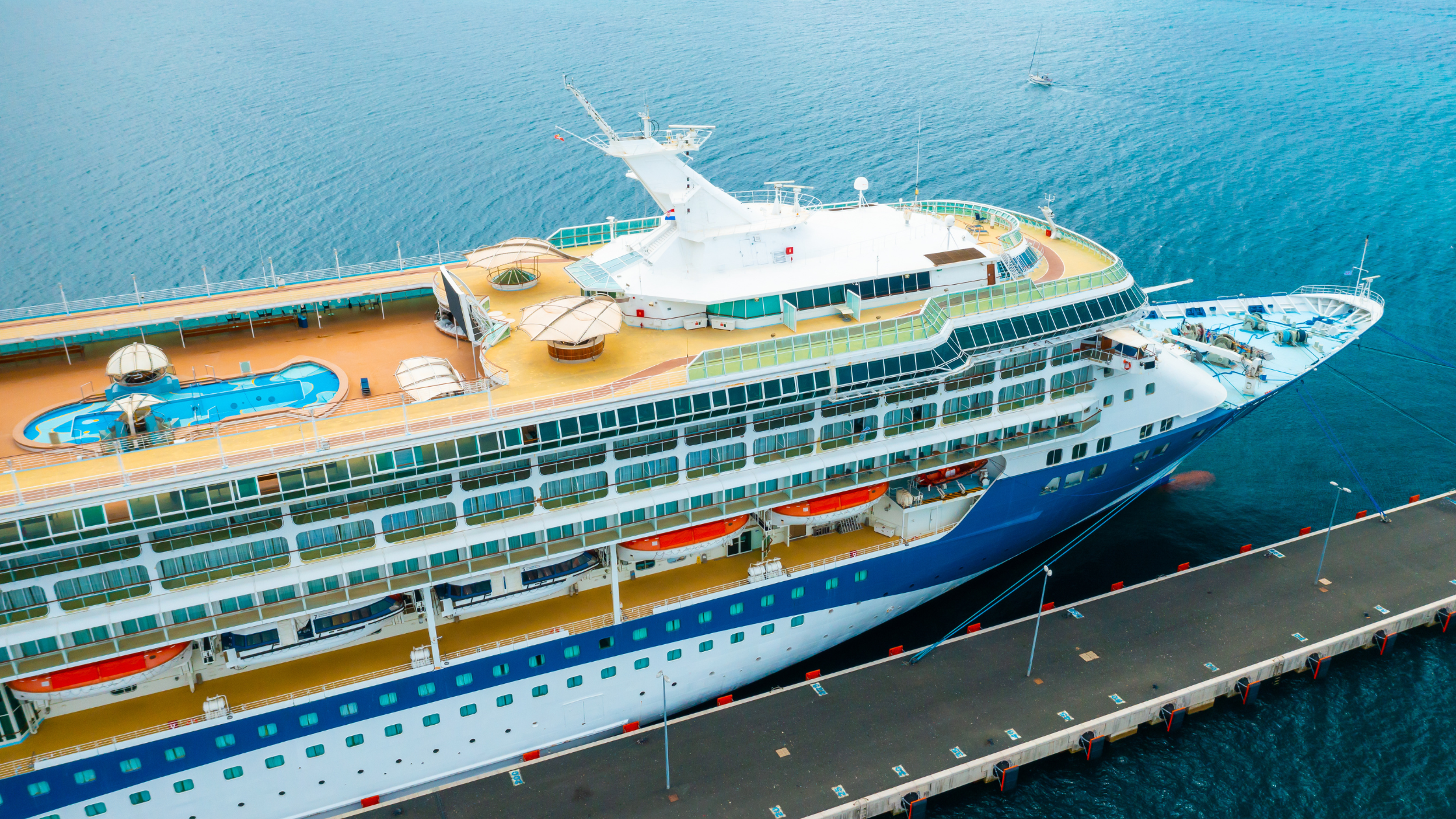
In Havana Docks Corporation v. Royal Caribbean Cruises, Ltd., 608 U.S. ___ (2026), the U.S. Supreme Court held that Havana Docks Corporation could proceed with its claims against several cruise lines under Title III of the Helms-Burton Act (the Cuban Liberty and Democratic Solidarity Act).
Facts of the Case
In 1928, the United States-based Havana Docks Corporation acquired a property interest in the development and operation of docks at the Port of Havana from the Cuban Government. That property interest, a usufructuary concession, was time-limited and set to expire in 2004. The Cuban Government agreed that, if it expropriated the docks before 2004, it would compensate Havana Docks for the value of the works it had constructed.
After Fidel Castro seized power in 1959, the new Cuban Government decreed that it would forcibly take American-owned properties and enterprises in Cuba and specifically identified Havana Docks. The Cuban Government subsequently seized, without compensation, the docks that Havana Docks had constructed and its property interest in those docks. Havana Docks filed a claim with the Foreign Claims Settlement Commission, which certified about $9 million in losses, plus six percent annual interest. Despite these certified losses, Havana Docks lacked any means to obtain compensation.
In 1996, Congress enacted the Cuban Liberty and Democratic Solidarity Act, 22 U.S.C. §6021 et seq., which creates a private right of action for United States nationals who own claims to “property which was confiscated by the Cuban Government on or after January 1, 1959.” Title III of the Act imposes liability on those who knowingly and intentionally traffic in such confiscated property. The Act authorizes the President to “suspend” the Title III right of action, and Presidents Clinton, Bush, and Obama continuously suspended the right of action from its effective date onward. President Trump allowed the suspension of the Title III right of action to expire in May 2019.
From 2016 to 2019, four commercial cruise lines—Royal Caribbean Cruises, Norwegian Cruise Line Holdings, Carnival Corporation, and MSC Cruises—transported nearly a million paid passengers to Cuba, using the docks that Havana Docks built to embark and disembark their passengers. In 2019, Havana Docks invoked Title III and sued the cruise lines in the United States District Court for the Southern District of Florida. The cruise lines argued they were not liable because Havana Docks’ property interest would have expired in 2004 even absent confiscation. The District Court rejected that argument and entered summary judgment against all four cruise lines, awarding Havana Docks more than $100 million from each.
A divided panel of the Eleventh Circuit Court of Appeals reversed. In its view, a defendant is liable for trafficking in confiscated property only if its actions would have interfered with the plaintiff ’s property interest had there been no confiscation. Accordingly, because Havana Docks’ concession would have expired before 2016, the cruise lines’ challenged conduct from 2016 to 2019 did not constitute trafficking.
Supreme Court’s Decision
By a vote of 8-1, the Supreme Court reversed. Justice Clarence Thomas wrote on behalf of the majority.
According to the majority, the cruise lines’ use of the docks is sufficient to establish that they used “property which was confiscated by the Cuban Government.” Additionally, Havana Docks is not required to establish that the cruise lines trafficked in Havana Dock’s property interest.
In reaching its decision, the Court emphasized that Title III imposes liability on anyone who traffics in “property which was confiscated by the Cuban Government,” explaining that “nothing in Title III requires a plaintiff to establish that it would still possess the confiscated property interest today absent the confiscation.” The majority further explained that the statute “focuses on the defendant’s conduct with respect to confiscated property, not on whether the plaintiff’s property interest would have expired decades later.”
Justice Thomas also criticized the lower court for importing additional limitations into the statute that Congress did not include. As the Court observed, “Congress knew how to impose temporal limitations when it wished to do so,” but chose not to condition liability on the continuing existence of the plaintiff’s original property rights.
In this case, the Supreme Court found that the cruise lines’ use of the physical docks was enough to potentially trigger liability because Havana Docks owned a certified claim to the confiscated property. As Justice Thomas explained, the docks are “property which was confiscated” because Havana Docks established that the Cuban Government confiscated those docks without compensation when Castro’s forces physically took possession of the docks and expelled Havana Docks’ agents in 1960. The cruise lines “use[d]” or “engage[d] in commercial activity using” the docks when they transported nearly a million paying passengers to Cuba “without the authorization of ” Havana Docks. Finally, the Court concluded that Havana Docks is a “United States national who owns the claim” to the confiscated docks, §6082(a)(1)(A), as its Commission-certified claim is “conclusive proof ” that it has satisfied that element.
Dissent
Justice Elena Kagan was the lone dissenter. She argued that Havana Docks only possessed a time-limited concession, not ownership of the docks themselves, and that the concession had expired long before the cruise lines used the port.
Previous Articles
Supreme Court Clarifies Constitutionality of Tax Foreclosure Sales
by DONALD SCARINCI on September 28, 2026
In Pung v. Isabella County, 609 U.S. ____ (2026), the U.S. Supreme Court held that the proper basel...
Supreme Court Closes Door on Judicially Created Claims Under Alien Tort Statute
by DONALD SCARINCI on September 21, 2026
In Cisco Systems, Inc. v. Doe, 609 U.S. ___ (2026), the U.S. Supreme Court ruled that federal cour...
US Supreme Court Upholds “Metering” Policy for Asylum Seekers
by DONALD SCARINCI on September 15, 2026
In Mullin v. Al Otro Lado, 609 U.S. ___ (2026), the U.S. Supreme Court held that an alien standing ...