Menu


Hot-Topics
August 25, 2026 | Supreme Court Rules Law Enforcement Accessing Location Data Constitutes Fourth Amendment Search
Tag: 2023

SCOTUS Leaves Title 42 in Place Temporarily
In Arizona et al. v. Alejandro Mayorkas et al., the U.S. Supreme Court agreed to keep the federal government’s Title 42 policy in place while legal challenges continue. By a vote of 5-4, the justices stayed a lower court decision that would have l...
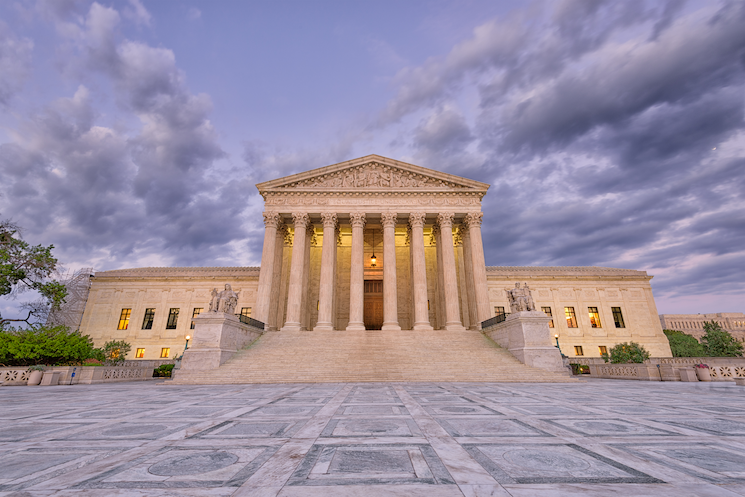
The Biggest Cases the Supreme Court Will Hear in 2023
The U.S. Supreme Court is about one-third of the way through its current term as it enters the new year. As in the past, some of the biggest cases will be heard in the final six months. Important issues before the justices will include the lawfulnes...

Supreme Court to Consider Challenges to Student Loan Forgiveness Plan
The U.S. Supreme Court has agreed to consider two cases challenging the Biden Administration’s student loan forgiveness plan. The key issues in the cases are whether the challengers have standing and whether the Department of Education exceeded it...

Supreme Court to Consider Jack Daniels Trademark Case
The U.S. Supreme Court recently added to its growing list of high-profile intellectual property cases, agreeing to consider Jack Daniel’s Properties, Inc. v. VIP Products LLC. The trademark case involves a dog toy, “Bad Spaniels,” that imitate...
Previous Articles
SCOTUS Rules States Can Ban Transgender Athletes from Female Sports
by DONALD SCARINCI on August 17, 2026
In West Virginia v. B.P.J., 609 U.S. ___ (2026), the U.S. Supreme Court held that Title IX allows s...
Supreme Court Strikes Down Limits on Coordinated Political Party Spending
by DONALD SCARINCI on August 10, 2026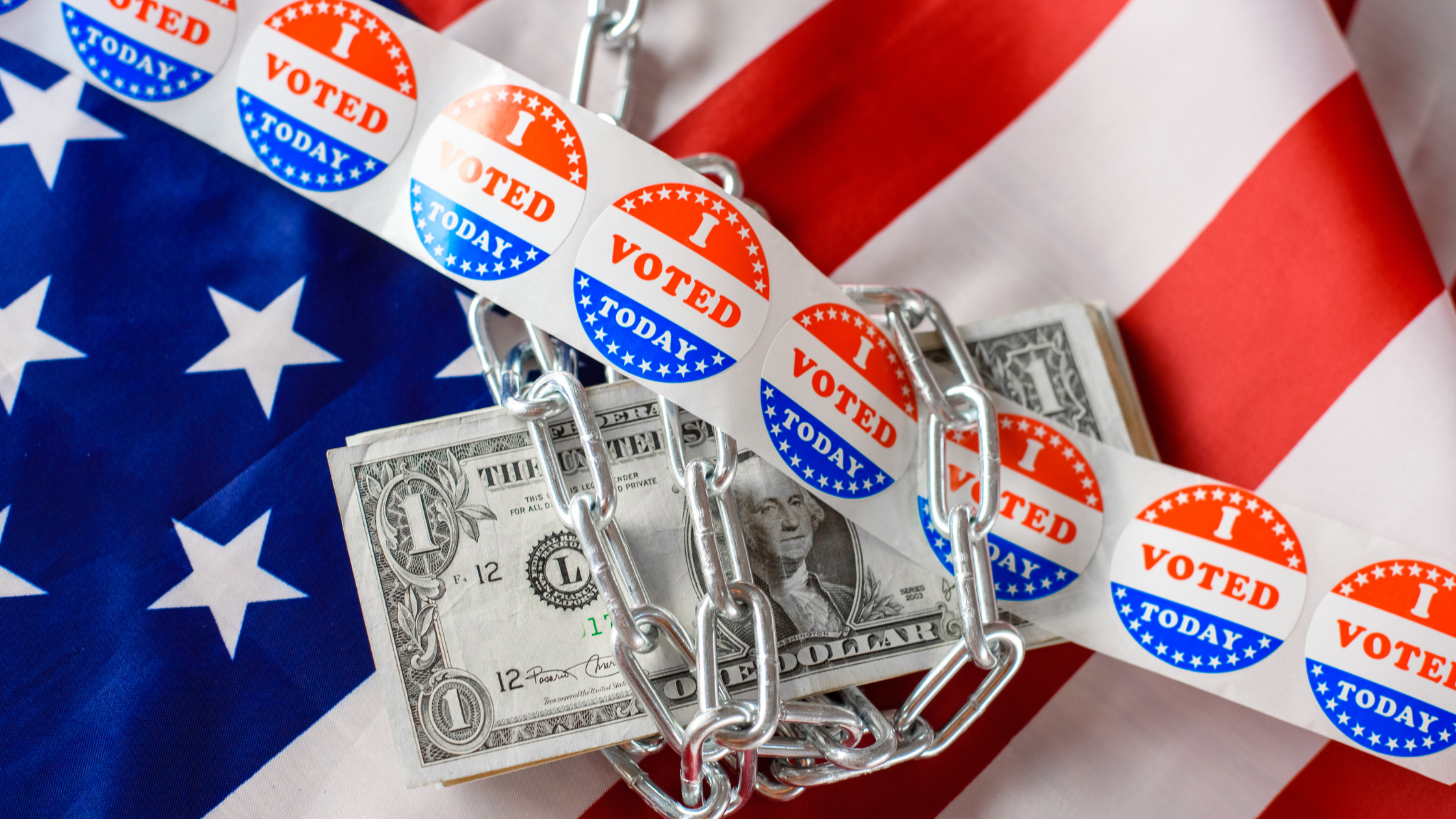
In National Republican Senatorial Committee v. Federal Election Commission, 609 U.S. ____ (2026), t...
Supreme Court Reaffirms Birthright Citizenship, Striking Down Executive Order
by DONALD SCARINCI on August 4, 2026
In Trump v. Barbara, 609 U.S. ___ (2026), the U.S. Supreme Court struck down President Donald Trump...