Menu


Hot-Topics
September 21, 2026 | Supreme Court Closes Door on Judicially Created Claims Under Alien Tort Statute
Tag: Antitrust

The Federal Antitrust Acts
The Federal Antitrust Acts In 1890, Congress enacted the country’s first antitrust law, the Sherman Antitrust Act. In 1914, Congress passed the Federal Trade Commission Act and the Clayton Act to further police anticompetitive business conduct. To...

Swift & Co. v. United States Establishes “Stream of Commerce” Test
In Swift & Co. v. United States, 196 U.S. 375 (1905), the U.S. Supreme Court held that Congress was authorized under the Constitution to regulate local business activities that were part of the "stream of commerce" between states. The ruling a...

Supreme Court Upholds Antitrust Act in Northern Securities Co. v. United States
In Northern Securities Co. v. United States, 193 U.S. 197 (1904), the U.S. Supreme Court held that a holding company formed to create a railroad monopoly violated the Sherman Antitrust Law. The government’s victory in the case helped solidify P...
Previous Articles
US Supreme Court Upholds “Metering” Policy for Asylum Seekers
by DONALD SCARINCI on September 15, 2026
In Mullin v. Al Otro Lado, 609 U.S. ___ (2026), the U.S. Supreme Court held that an alien standing ...
Supreme Court Rejects Claims Over Pesticide Cancer Warning
by DONALD SCARINCI on September 9, 2026
In Monsanto Co. v. Durnell, 609 U.S. ___ (2026), the U.S. Supreme Court held that the Federal Insec...
SCOTUS Upholds Mississippi Mail-In Ballot Law
by DONALD SCARINCI on August 31, 2026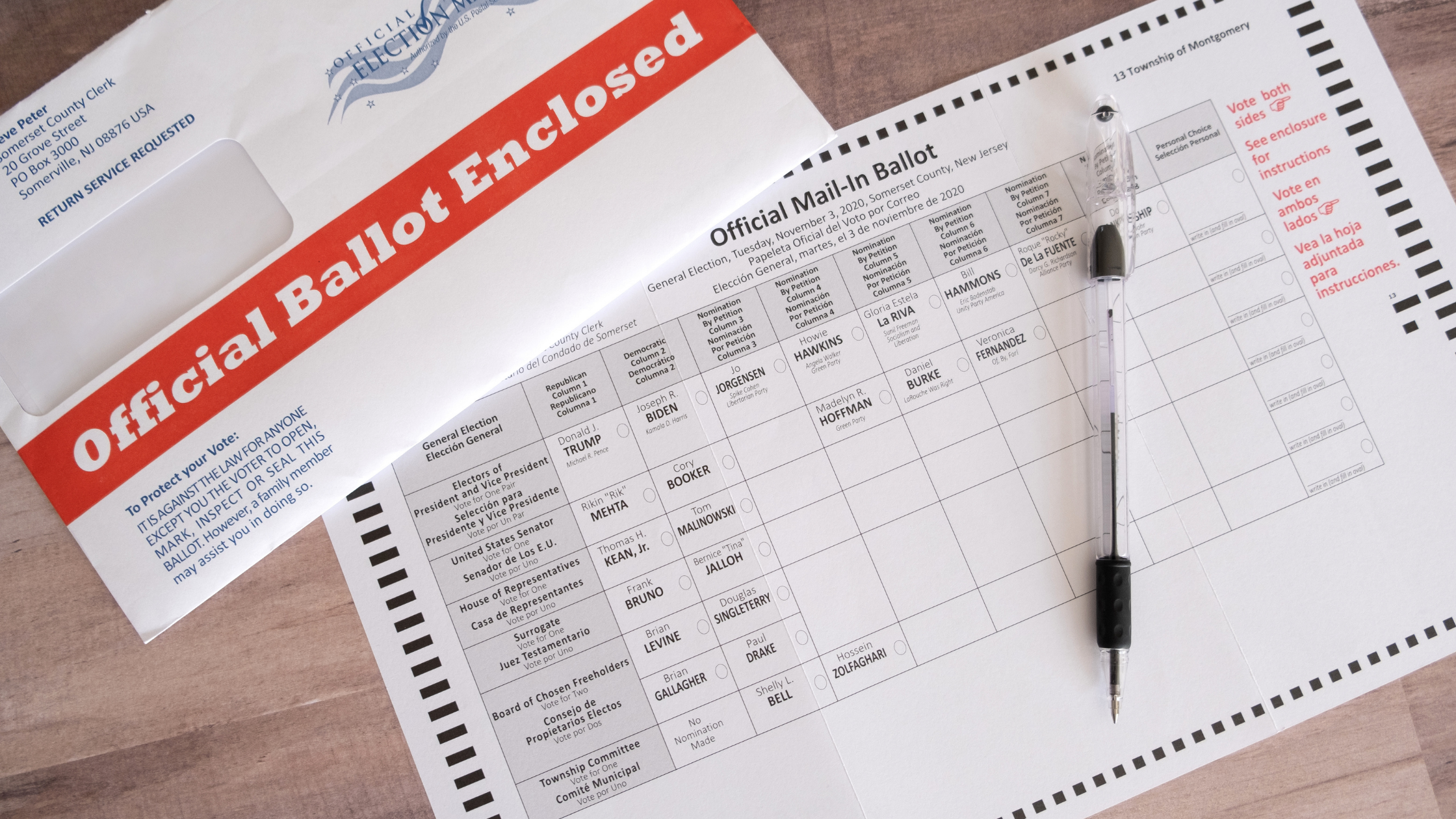
In Watson v. Republican National Committee, 609 U.S. ___ (2026), the U.S. Supreme Court held that ...