Menu


Hot-Topics
September 21, 2026 | Supreme Court Closes Door on Judicially Created Claims Under Alien Tort Statute
Tag: Due Process

Kansas v. Carr: Capital Sentencing Under the Eighth Amendment
In Kansas v. Carr, 577 U. S. ____ (2016), the U.S. Supreme Court addressed the constitutionality of jury instructions used in two Kansas capital murder cases. The justices ruled that the Eighth Amendment does not mandate that courts instruct ...

Abood v. Detroit Board of Education: Public Unions, “Agency Shop” and the First Amendment
In Abood v. Detroit Board of Education, 431 U.S. 209 (1977), the U.S. Supreme Court held that the First Amendment to the U.S. Constitution does not prohibit governments from requiring non-union public employees to pay their “fair share” of dues f...

Kerry v. Din: Visa Denials and Due Process
In Kerry v. Din, 135 S.Ct. 2128 (2015), the U.S. Supreme Court held that the federal government did not violate the Due Process rights of the petitioner when it denied her husband’s visa based on his alleged engagement in terrorist activities, with...
Previous Articles
US Supreme Court Upholds “Metering” Policy for Asylum Seekers
by DONALD SCARINCI on September 15, 2026
In Mullin v. Al Otro Lado, 609 U.S. ___ (2026), the U.S. Supreme Court held that an alien standing ...
Supreme Court Rejects Claims Over Pesticide Cancer Warning
by DONALD SCARINCI on September 9, 2026
In Monsanto Co. v. Durnell, 609 U.S. ___ (2026), the U.S. Supreme Court held that the Federal Insec...
SCOTUS Upholds Mississippi Mail-In Ballot Law
by DONALD SCARINCI on August 31, 2026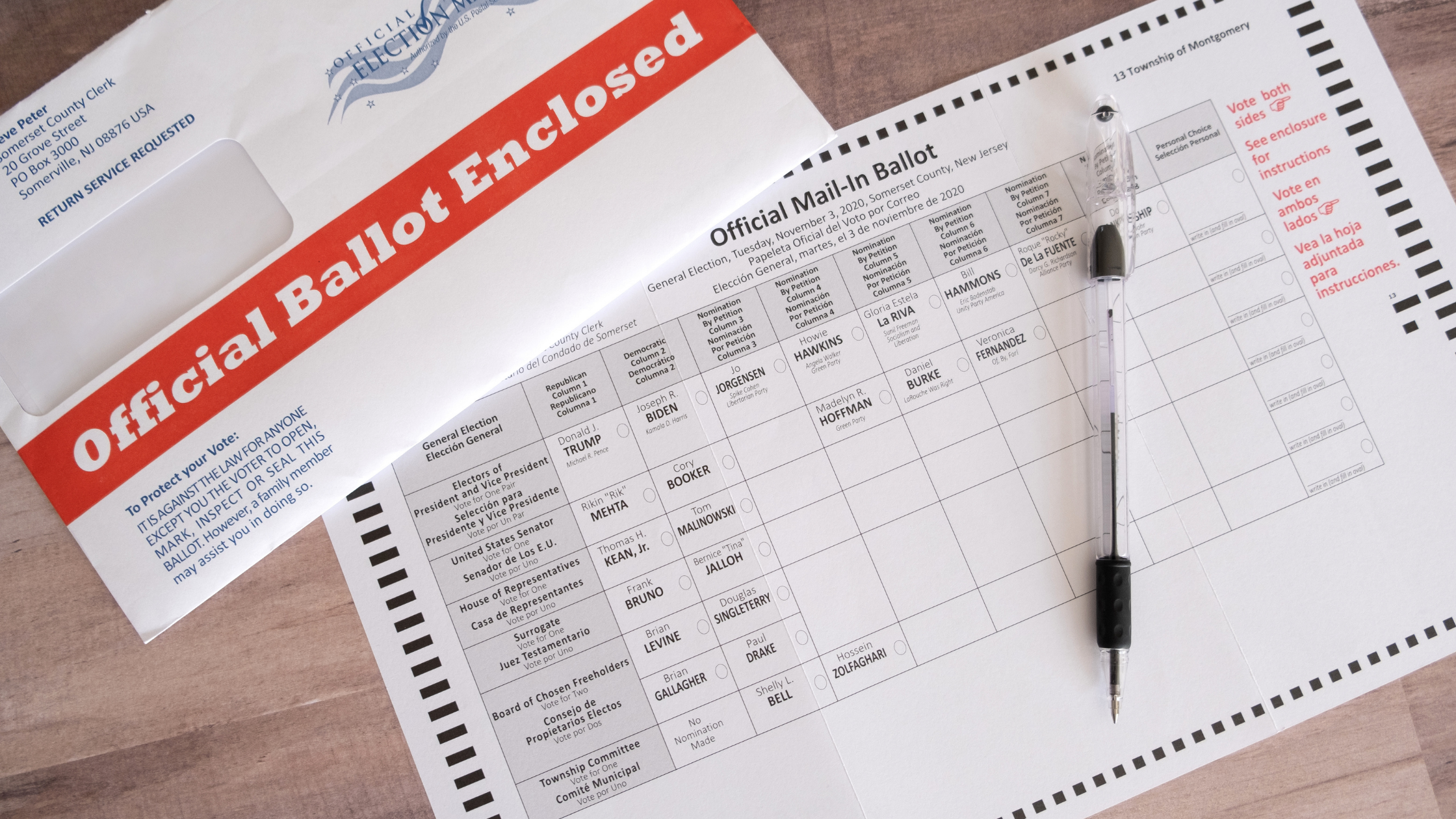
In Watson v. Republican National Committee, 609 U.S. ___ (2026), the U.S. Supreme Court held that ...