Menu


Hot-Topics
August 17, 2026 | SCOTUS Rules States Can Ban Transgender Athletes from Female Sports
Tag: Freedom of Speech
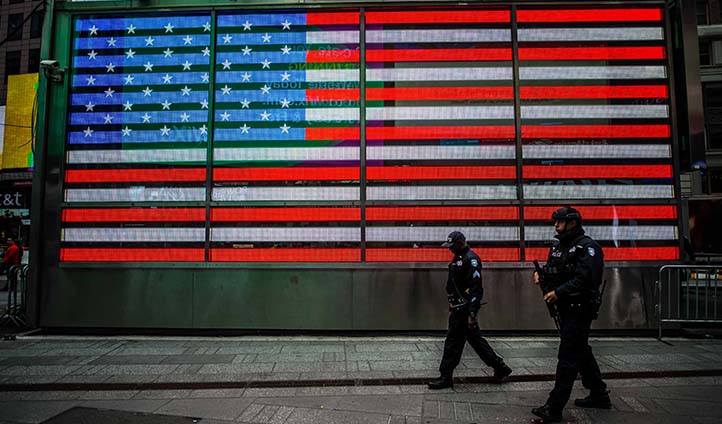
Supreme Court Hears Arguments in Potential Blockbuster Free Speech Case
The U.S. Supreme Court heard oral arguments in three cases this week, including National Institute of Family and Life Advocates v. Becerra. The high-profile case involves two controversial issues — free speech and abortion. While we will have to aw...

SCOTUS to Consider Ban on Disparaging Trademarks in Lee v Tam
On September 29, 2016, the U.S. Supreme Court added nine cases to its docket. Lee v Tam, which challenges the federal ban on disparaging trademarks, has the potential to be a blockbuster. The Court’s decision could also have serious implications fo...

Abood v. Detroit Board of Education: Public Unions, “Agency Shop” and the First Amendment
In Abood v. Detroit Board of Education, 431 U.S. 209 (1977), the U.S. Supreme Court held that the First Amendment to the U.S. Constitution does not prohibit governments from requiring non-union public employees to pay their “fair share” of dues f...
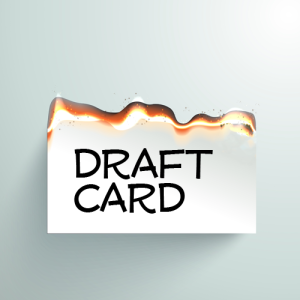
U.S. V. O’Brien: Symbolic Speech and the First Amendment
In United States v. O'Brien, 391 U.S. 367 (1968), the U.S. Supreme Court upheld the constitutionality of a federal law that made burning or otherwise destroying draft cards a crime. In so ruling, the Court established a test for determining whether l...

Brown v. Entertainment Merchants Association: Video Games & The First Amendment
In Brown v. Entertainment Merchants Association, 564 US 08-1448 (2011), the U.S. Supreme Court held that a California law banning the sale of violent video games to minors violated the First Amendment to the United States Constitution. The...
Griswold v. Connecticut Back in the Spotlight As Birth Control Debate Resurfaces
Supreme Court decisions remain relevant long after they are decided, often setting legal precedent for years and even decades. The landmark decision of Griswold v. Connecticut, 381 U.S. 479 (1965), is a perfect example. Vice President Joe Biden refe...
Previous Articles
Supreme Court Strikes Down Limits on Coordinated Political Party Spending
by DONALD SCARINCI on August 10, 2026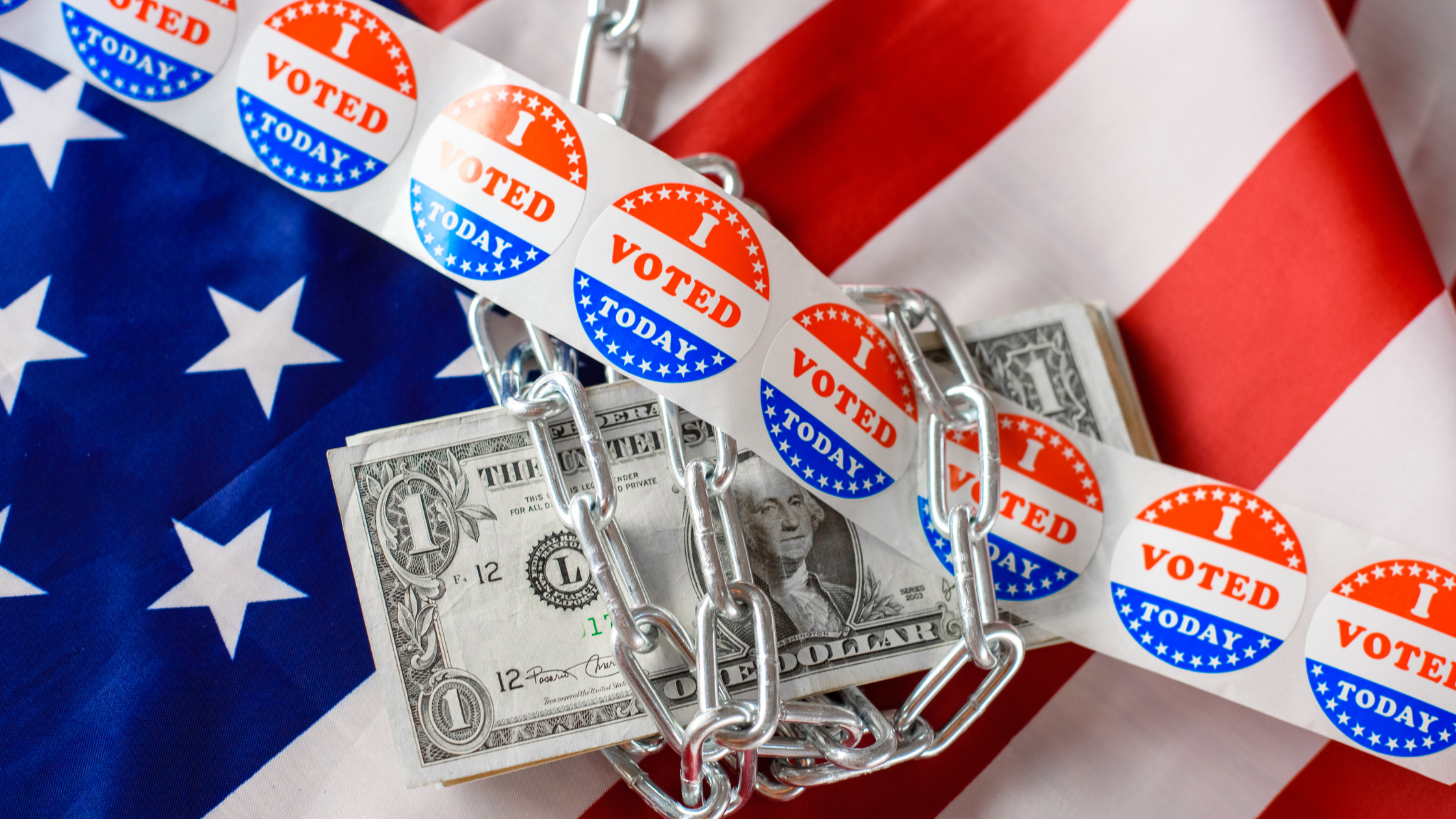
In National Republican Senatorial Committee v. Federal Election Commission, 609 U.S. ____ (2026), t...
Supreme Court Reaffirms Birthright Citizenship, Striking Down Executive Order
by DONALD SCARINCI on August 4, 2026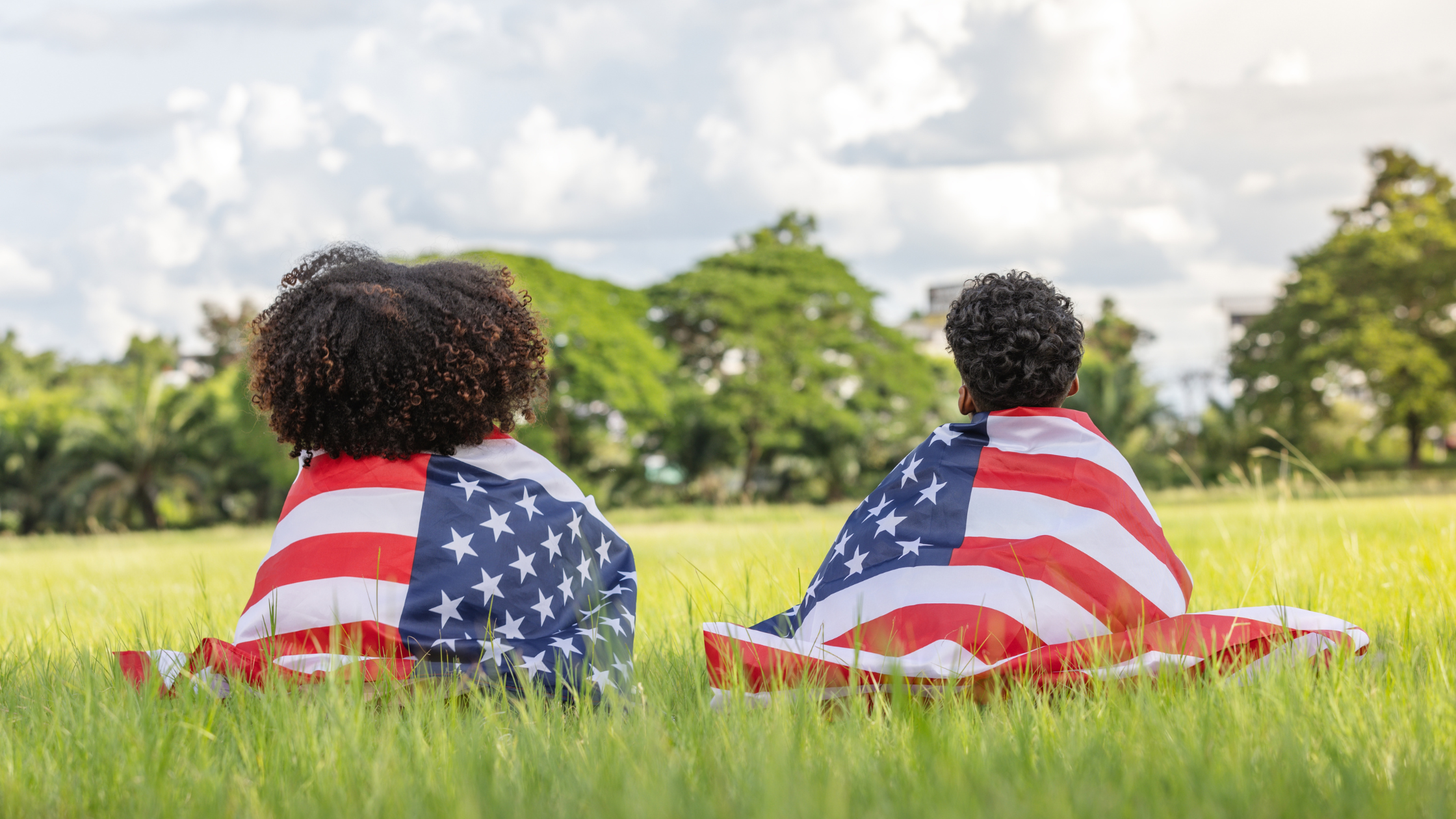
In Trump v. Barbara, 609 U.S. ___ (2026), the U.S. Supreme Court struck down President Donald Trump...
Supreme Court Holds FTC’s For-Cause Removal Protections Violate the Constitution
by DONALD SCARINCI on July 27, 2026
In Trump v. Slaughter, 609 U.S. ___ (2026), the U.S. Supreme Court held that the Federal Trade Comm...