Menu


Hot-Topics
September 21, 2026 | Supreme Court Closes Door on Judicially Created Claims Under Alien Tort Statute
Tag: New York
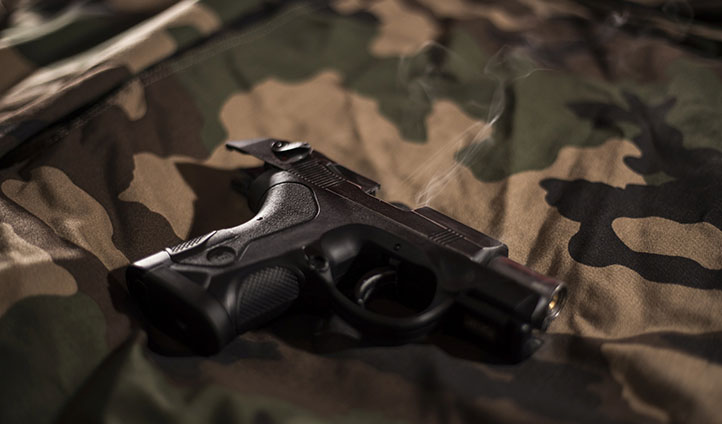
Supreme Court Agrees to Hear Second Amendment Case
The U.S. Supreme Court has agreed to hear its first major Second Amendment case in a decade. The case, New York State Rifle & Pistol Association v City of New York, involves a New York City gun-control law that prohibits transporting a...

Expressions Hair Design v Schneiderman: First Amendment Protects NY Credit Card Surcharge Ban
In a unanimous decision, the U.S. Supreme Court ruled that a New York law prohibiting merchants from charging surcharges for paying via credit card is subject to scrutiny under the First Amendment. The Court’s narrow decision in Expressions Hair De...
Osborn v Bank of the United States Clarifies Reach of Federal Jurisdiction
In Osborn v Bank of the United States, 22 US. (9 Wheat.) 738 (1824), the U.S. Supreme Court addressed Article III’s grant of judicial power over cases “arising under” federal law. In his opinion, Chief Justice John Marshall broadly interpreted...

New York v. Connecticut: Court’s First Exercise of Original Jurisdiction
In New York v. Connecticut, 4 U.S. 1 (1799), the U.S. Supreme Court first exercised its original jurisdiction to decide a legal dispute between two states. The dispute involved a strip of land over which the states of New York and Connecticut both c...
Previous Articles
US Supreme Court Upholds “Metering” Policy for Asylum Seekers
by DONALD SCARINCI on September 15, 2026
In Mullin v. Al Otro Lado, 609 U.S. ___ (2026), the U.S. Supreme Court held that an alien standing ...
Supreme Court Rejects Claims Over Pesticide Cancer Warning
by DONALD SCARINCI on September 9, 2026
In Monsanto Co. v. Durnell, 609 U.S. ___ (2026), the U.S. Supreme Court held that the Federal Insec...
SCOTUS Upholds Mississippi Mail-In Ballot Law
by DONALD SCARINCI on August 31, 2026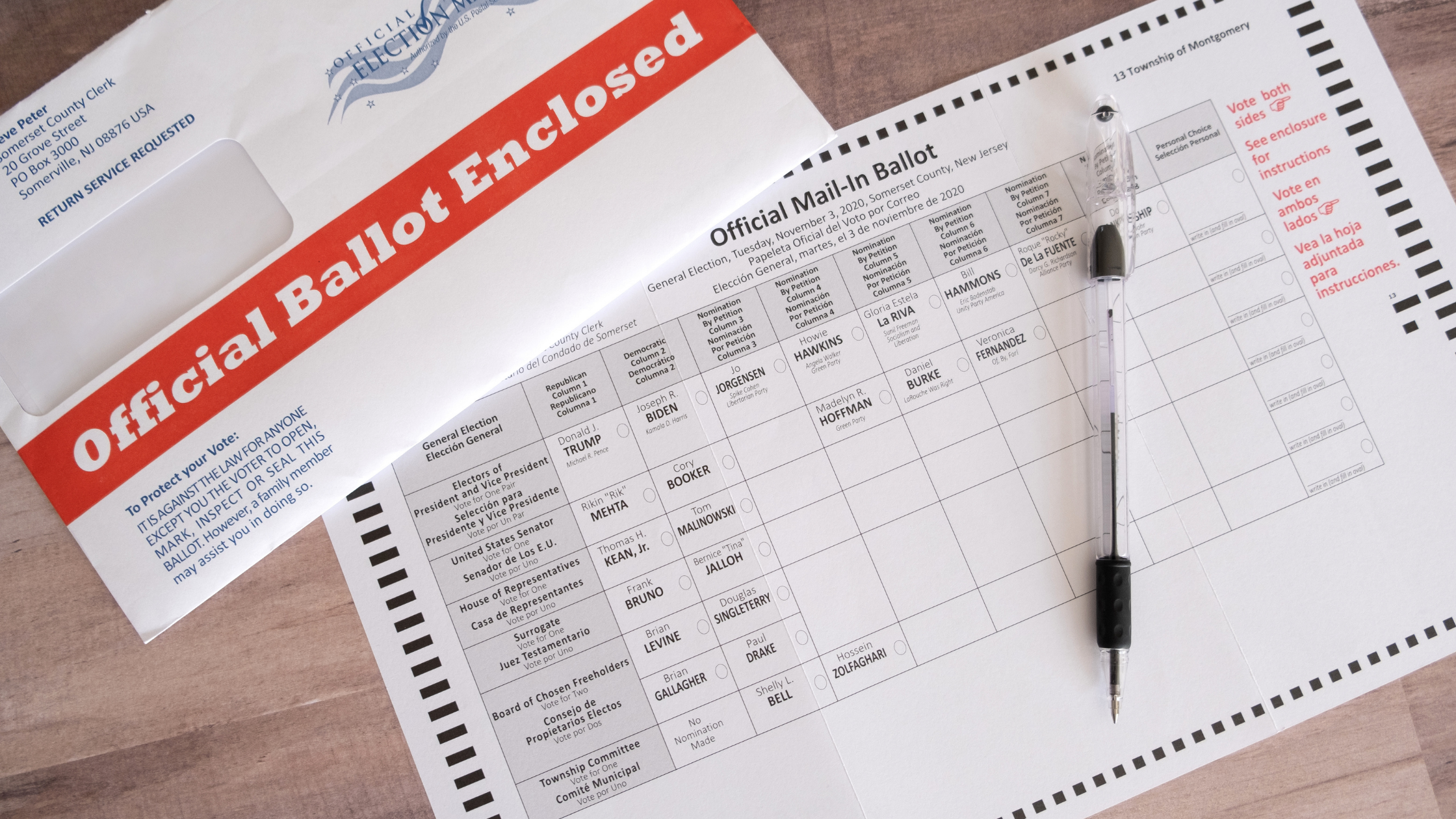
In Watson v. Republican National Committee, 609 U.S. ___ (2026), the U.S. Supreme Court held that ...