Menu


Hot-Topics
September 21, 2026 | Supreme Court Closes Door on Judicially Created Claims Under Alien Tort Statute
Tag: Treaty Power

Bond v. United States: Another Case of Constitutional Avoidance
The U.S. Supreme Court sidestepped the most complex issues in Bond v. United States in yet another case of constitutional avoidance. Rather than address the limits of the federal government’s power to implement international treaties, the Court rul...

Bond v. United States: Is Supreme Court Poised to Limit the Government’s Treaty Power?
The U.S. Supreme Court recently heard oral arguments in Bond v. United States, which involves the federal government’s power to implement international treaties. The crux of the case is whether the Chemical Weapons Convention, which is used to just...

Missouri v. Holland: Are All Laws Implementing Treaties Valid?
Missouri v. Holland may be a case about birds, but its long-standing precedent has given Congress and the President wide latitude when implementing international treaties. As we discussed last week, the fate of a Pennsylvania woman charged with poiso...
Supreme Court to Consider Treaty Power in Bond v. United States
The U.S. Supreme Court recently agreed to hear a case involving a jilted wife who attempted to poison her husband’s lover. While the facts of Bond v. United States sound like they come straight from a soap opera, the justices will likely tackle so...
Previous Articles
US Supreme Court Upholds “Metering” Policy for Asylum Seekers
by DONALD SCARINCI on September 15, 2026
In Mullin v. Al Otro Lado, 609 U.S. ___ (2026), the U.S. Supreme Court held that an alien standing ...
Supreme Court Rejects Claims Over Pesticide Cancer Warning
by DONALD SCARINCI on September 9, 2026
In Monsanto Co. v. Durnell, 609 U.S. ___ (2026), the U.S. Supreme Court held that the Federal Insec...
SCOTUS Upholds Mississippi Mail-In Ballot Law
by DONALD SCARINCI on August 31, 2026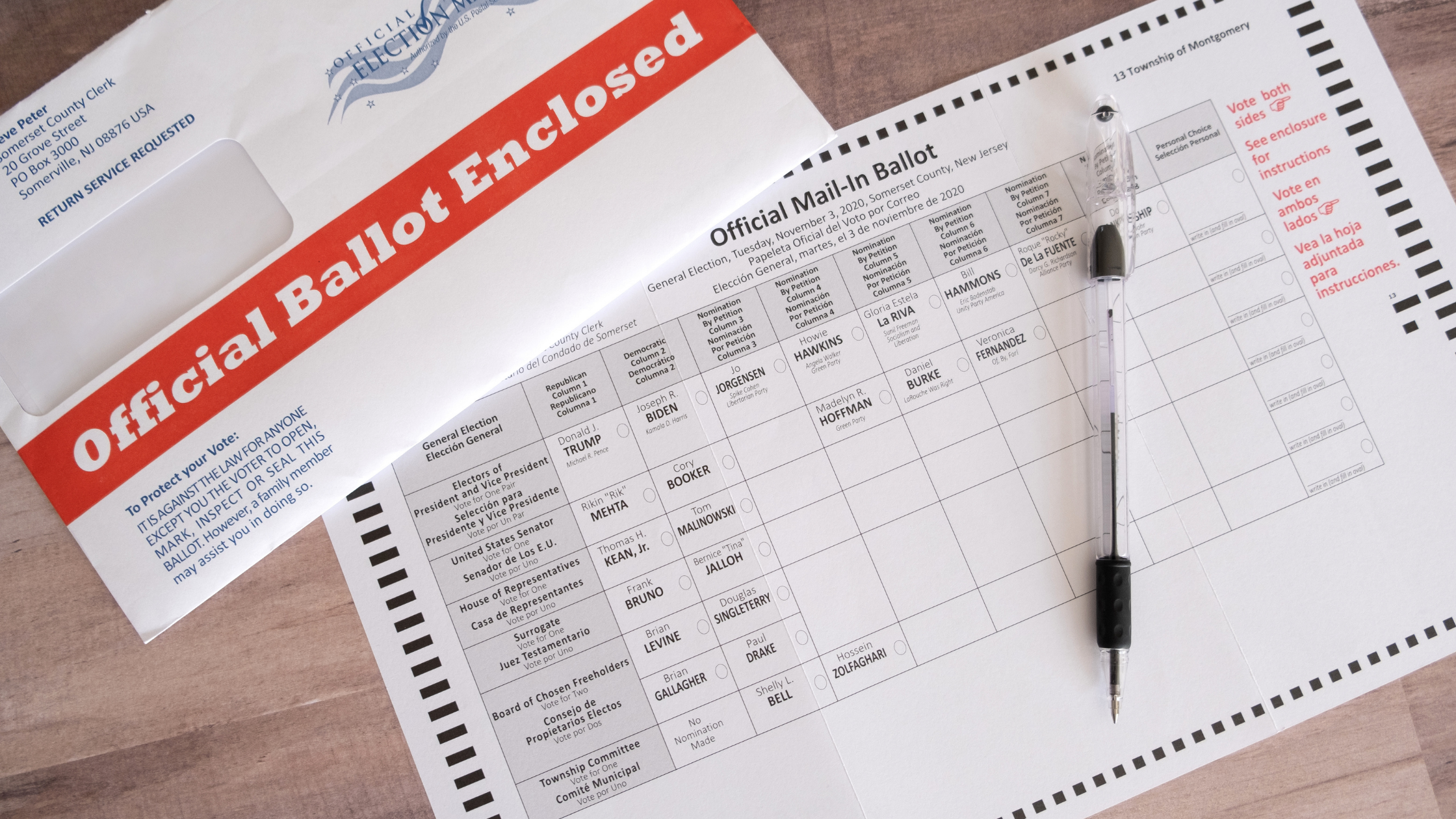
In Watson v. Republican National Committee, 609 U.S. ___ (2026), the U.S. Supreme Court held that ...