Menu


Hot-Topics
October 12, 2026 | Supreme Court Rules Prison Officials Can’t Face RLUIPA Suit
Tag: Peremptory challenges
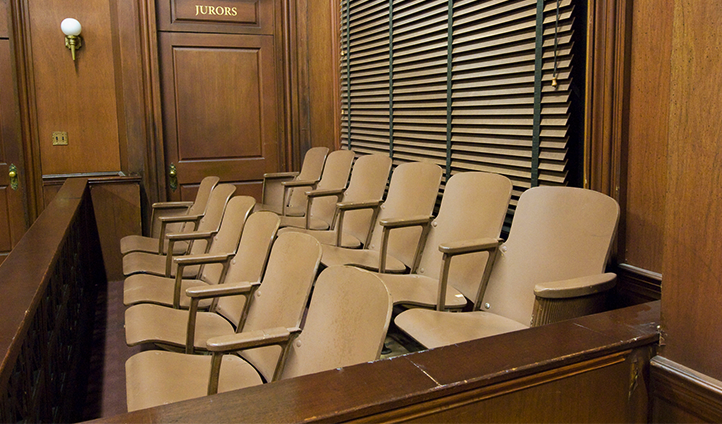
Flowers v Mississippi: Jury Selection in Death Row Inmate’s Case Was Unconstitutional
In Flowers v Mississippi, 588 U. S. ____ (2019), the U.S. Supreme Court held that the jury selection process in Curtis Flowers’ sixth murder trial violated the U.S. Constitution. By a vote of 7-2, the Court found that the trial court committed cle...
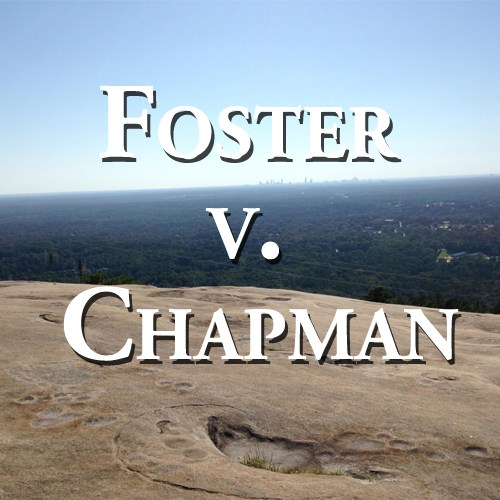
Foster v Chapman: Excluding Jurors Based on Race
In Foster v Chatman (2016), the U.S. Supreme Court held that prosecutors purposely discriminated against a Georgia man facing the death penalty when they dismissed two black jurors during jury selection. The Court’s narrow decision was largely base...
Davis v. Ayala: Excluding Attorneys from Batson Hearing Was Harmless Error
In Davis v. Ayala, 135 S. Ct. 2187 (2015), the U.S. Supreme Court considered whether it was a harmless error to exclude defense counsel from the Batson hearing. A deeply divided court ultimately answered yes, highlighting that habeas petitioners are ...
Week in Review: Court Hears Oral Arguments in Six Cases
The U.S. Supreme Court started its November sitting this week. The justices heard oral arguments in six cases. In addition to an important case involving Article III standing, the Court also considered several criminal law issues. Below is a...

Batson v. Kentucky: When Can Jurors Be Excluded?
The Supreme Court’s seminal decision in Batson v. Kentucky prohibits racial discrimination when selecting a jury. Over 25 years later, lower courts are currently considering whether the same Equal Rights protections should be extended to homosexual...
Previous Articles
Supreme Court Clarifies Constitutionality of Tax Foreclosure Sales
by DONALD SCARINCI on September 28, 2026
In Pung v. Isabella County, 609 U.S. ____ (2026), the U.S. Supreme Court held that the proper basel...
Supreme Court Closes Door on Judicially Created Claims Under Alien Tort Statute
by DONALD SCARINCI on September 21, 2026
In Cisco Systems, Inc. v. Doe, 609 U.S. ___ (2026), the U.S. Supreme Court ruled that federal cour...
US Supreme Court Upholds “Metering” Policy for Asylum Seekers
by DONALD SCARINCI on September 15, 2026
In Mullin v. Al Otro Lado, 609 U.S. ___ (2026), the U.S. Supreme Court held that an alien standing ...