Menu


Hot-Topics
September 21, 2026 | Supreme Court Closes Door on Judicially Created Claims Under Alien Tort Statute
Tag: review of state courts

United States v Hudson and Goodwin: Jurisdiction Over Criminal Matters
In United States v Hudson and Goodwin, 11 U.S. 32 (1812), the U.S. Supreme Court first considered whether the federal courts were authorized to hear criminal cases. The justices held that Congress must confer jurisdiction by statute in order for the ...

Cohens v. Virginia: U.S. Supreme Court Trumps State Courts
In Cohens v. Virginia, 19 U.S. 264 (1821), the U.S. Supreme Court established itself as the highest court in the county. The justices expressly held that the Court had appellate jurisdiction over state court criminal law decisions involving alleg...

Lochner v. New York: Liberty of Contract
In Lochner v. New York, 198 U.S. 45 (1905), the U.S. Supreme Court struck down a New York law that established maximum working hours for bakers. According to the majority, the right to buy and sell labor was a liberty interest protected under the...

Abood v. Detroit Board of Education: Public Unions, “Agency Shop” and the First Amendment
In Abood v. Detroit Board of Education, 431 U.S. 209 (1977), the U.S. Supreme Court held that the First Amendment to the U.S. Constitution does not prohibit governments from requiring non-union public employees to pay their “fair share” of dues f...
Previous Articles
US Supreme Court Upholds “Metering” Policy for Asylum Seekers
by DONALD SCARINCI on September 15, 2026
In Mullin v. Al Otro Lado, 609 U.S. ___ (2026), the U.S. Supreme Court held that an alien standing ...
Supreme Court Rejects Claims Over Pesticide Cancer Warning
by DONALD SCARINCI on September 9, 2026
In Monsanto Co. v. Durnell, 609 U.S. ___ (2026), the U.S. Supreme Court held that the Federal Insec...
SCOTUS Upholds Mississippi Mail-In Ballot Law
by DONALD SCARINCI on August 31, 2026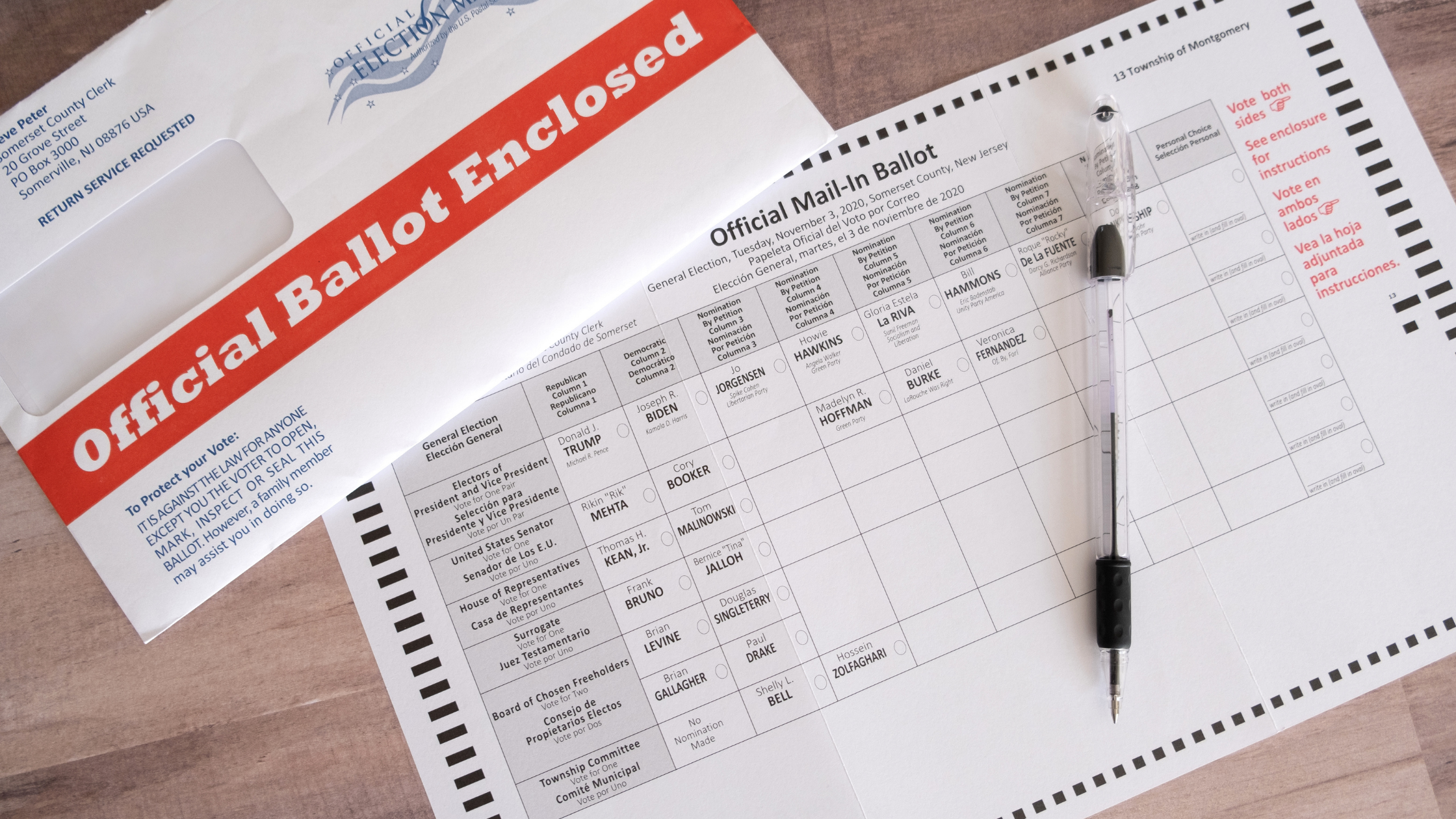
In Watson v. Republican National Committee, 609 U.S. ___ (2026), the U.S. Supreme Court held that ...