Menu


Hot-Topics
February 5, 2026 | SCOTUS Decision in Bowe v. United States Is First of the 2026 Term
Author: DONALD SCARINCI
Trump Nominates Judge Neil Gorsuch to Supreme Court
President Donald Trump has nominated Judge Neil Gorsuch to fill the long-standing vacancy on the U.S. Supreme Court. If confirmed, the conservative justice is likely to shape the landscape of the Court for decades to come. Legal Education ...

District of Columbia v Wesby: SCOTUS Adds Fourth Amendment Case to Docket
The U.S. Supreme Court recently granted certiorari in District of Columbia v Wesby. The case, which sprung from a wild D.C. party, addresses two important criminal law issues. The first is when the Fourth Amendment probable cause standard allows poli...

Supreme Court Denies Certiorari in Texas Voter ID Case in Abbott v Veasey
The U.S. Supreme Court denied certiorari in Abbott v Veasey, which challenges a controversial voter identification law implemented by the State of Texas. Nonetheless, the justices did leave the door open to review the voter ID law in the future. &...

White v Pauly: Qualified Immunity in Police Shooting Case
In its first decision of 2017, the U.S. Supreme Court unanimously ruled that a New Mexico police officer was entitled to qualified immunity. As highlighted in the Court’s per curium opinion in White v Pauly, 580 U. S. ____ (2017), “qualified immu...
Supreme Court’s Busy Week Includes Slants’ Trademark suit
The U.S. Supreme Court considered several high-profile cases this week. Most notably, the justices grappled with how the First Amendment applies to federal trademark law. The specific issue in Lee v. Tam is whether the federal ban on reg...

SCOTUS Kicks Off January with Oral Arguments in Five Cases
The U.S. Supreme Court kicked off the New Year with oral arguments in five cases. The issues before the justices ranged from tribal sovereignty to state laws regarding credit card payments. Below is a brief summary: Nelson v. Colorado: C...
Previous Articles
SCOTUS Rules State Can’t Immunize Parties from Federal Civil Liability
by DONALD SCARINCI on January 29, 2026
In John Doe v. Dynamic Physical Therapy, LLC, 607 U.S. ____ (2025) the U.S. Supreme Court held that...
Supreme Court to Address Racial Discrimination in Jury Selection
by DONALD SCARINCI on
While the U.S. Supreme Court has concluded oral arguments for the year, it continues to add cases t...
Supreme Court Halts Deployment of National Guard to Chicago
by DONALD SCARINCI on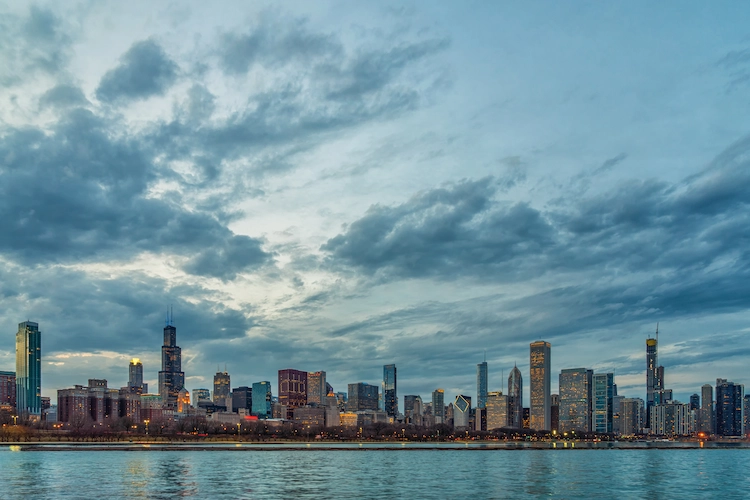
In Trump v. Illinois, 607 U.S. ____ (2025), the U.S. Supreme Court refused to stay a district court...