Menu


Hot-Topics
September 21, 2026 | Supreme Court Closes Door on Judicially Created Claims Under Alien Tort Statute
Tag: Federal Courts

Worcester v Georgia: Indian Sovereignty and the States
In Worcester v Georgia, 31 U.S. 515 (1832), the U.S. Supreme Court held that the Cherokee Nation was sovereign. It also ruled that the federal government — and not the states — was authorized under the Constitution to deal with Indian nations. ...
Dietz v Bouldin Recognizes Judge’s Limited Authority to Call Back Jury
In Dietz v Bouldin, 579 U. S. ____ (2016), the U.S. Supreme Court held that the federal district court has a limited inherent power to rescind a jury discharge order and recall a jury in a civil case for further deliberations after identifying an err...

United States v Hudson and Goodwin: Jurisdiction Over Criminal Matters
In United States v Hudson and Goodwin, 11 U.S. 32 (1812), the U.S. Supreme Court first considered whether the federal courts were authorized to hear criminal cases. The justices held that Congress must confer jurisdiction by statute in order for the ...

Affirmative Action Victory in Fisher v University of Texas at Austin
In Fisher v University of Texas at Austin (2016), the U.S. Supreme Court held that the race-conscious admissions program in use by the university when Abigail Fisher applied to the school in 2008 is lawful under the Constitution’s Equal Protection ...

Brady v Maryland: Suppression of Evidence Violates Due Process
In Brady v Maryland, 373 U.S. 83 (1963), the U.S. Supreme Court held that prosecutors must fully disclose to the accused all exculpatory evidence in their possession. The Court’s holding is commonly known as the “Brady Rule.” The Fac...
Foster v Chapman: Excluding Jurors Based on Race
In Foster v Chatman (2016), the U.S. Supreme Court held that prosecutors purposely discriminated against a Georgia man facing the death penalty when they dismissed two black jurors during jury selection. The Court’s narrow decision was largely base...

United States v. Texas Addresses Presidential Use of Executive Orders
In January, the U.S. Supreme Court added another potential blockbuster case to the current Term. In United States v. Texas, the justices will consider whether President Obama’s use of executive action to further his immigration policy violated the ...
Kansas v. Carr: Capital Sentencing Under the Eighth Amendment
In Kansas v. Carr, 577 U. S. ____ (2016), the U.S. Supreme Court addressed the constitutionality of jury instructions used in two Kansas capital murder cases. The justices ruled that the Eighth Amendment does not mandate that courts instruct ...
Montgomery v. Louisiana: Juvenile Sentencing Decision Is Retroactive
In Montgomery v. Louisiana, 577 U. S. ____ (2016), the U.S. Supreme Court addressed how state courts should apply its decision in Miller v. Alabama, in which the Court held that the Eighth Amendment prohibits a sentencing scheme that requires life in...

Campbell-Ewald Co. v. Gomez: Class Actions and Article III
In Campbell-Ewald Co. v. Gomez, 577 U. S. ____ (2016), the U.S. Supreme Court considered whether a case becomes moot, and thus beyond the judicial power of Article III, when the plaintiff receives and rejects an offer of complete relief on his claim....
Previous Articles
US Supreme Court Upholds “Metering” Policy for Asylum Seekers
by DONALD SCARINCI on September 15, 2026
In Mullin v. Al Otro Lado, 609 U.S. ___ (2026), the U.S. Supreme Court held that an alien standing ...
Supreme Court Rejects Claims Over Pesticide Cancer Warning
by DONALD SCARINCI on September 9, 2026
In Monsanto Co. v. Durnell, 609 U.S. ___ (2026), the U.S. Supreme Court held that the Federal Insec...
SCOTUS Upholds Mississippi Mail-In Ballot Law
by DONALD SCARINCI on August 31, 2026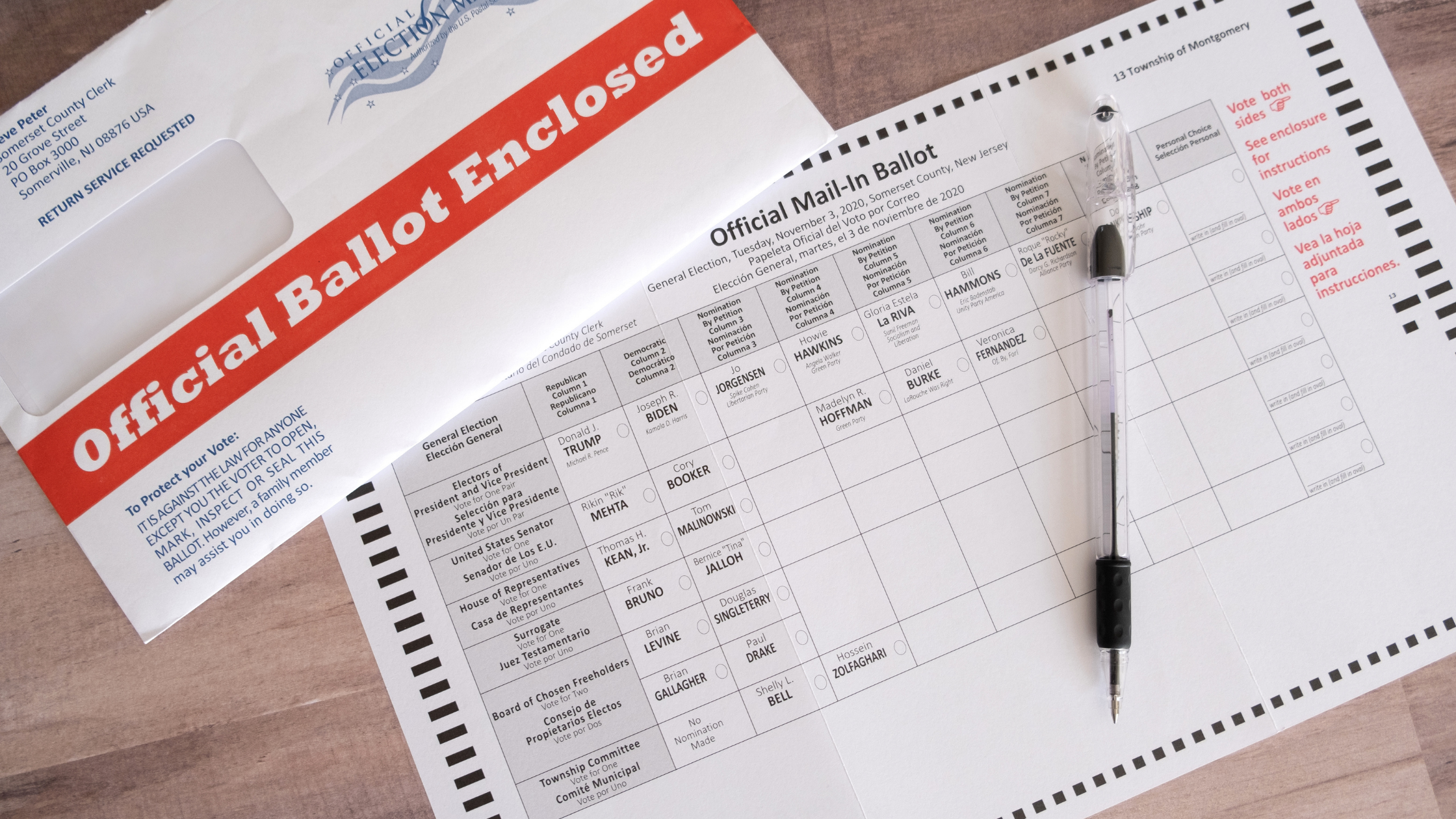
In Watson v. Republican National Committee, 609 U.S. ___ (2026), the U.S. Supreme Court held that ...